Ultherapy vs Thermage: Which is Better?
Ultherapy vs Thermage: Which is Better?
Ultherapy and Thermage are two leading non-surgical lifting treatments in Korea, each designed to improve skin firmness and reduce signs of aging. Although they are often compared, they work in different ways and target different layers of the skin. Understanding each treatment individually is key to choosing the right option.
What Is Ultherapy?
Ultherapy is a non-invasive lifting treatment that uses focused ultrasound energy to target deep layers of the skin, including the SMAS layer—the same layer addressed in surgical facelifts. It works by stimulating collagen production deep within the tissue, resulting in a gradual lifting and tightening effect over time. Ultherapy is most commonly used for areas like the jawline, cheeks, and neck where sagging is more noticeable.
What Is Thermage?
Thermage is a skin tightening treatment that uses radiofrequency (RF) energy to heat the dermis and stimulate collagen remodeling. Unlike Ultherapy, it focuses more on improving overall skin texture, elasticity, and fine lines rather than lifting deep structures. It is often used on the face as well as body areas and is known for delivering smoother, firmer-looking skin.
Similarities and Differences
Similarities
- Both are non-surgical anti-aging treatments
- Both stimulate collagen production
- Both have minimal downtime
- Both provide gradual, natural-looking results
Differences
- Ultherapy targets deeper layers (lifting effect)
- Thermage targets more superficial layers (tightening effect)
- Ultherapy is more focused on contouring
- Thermage is more focused on skin quality and texture
Price Comparison in Korea
Ultherapy
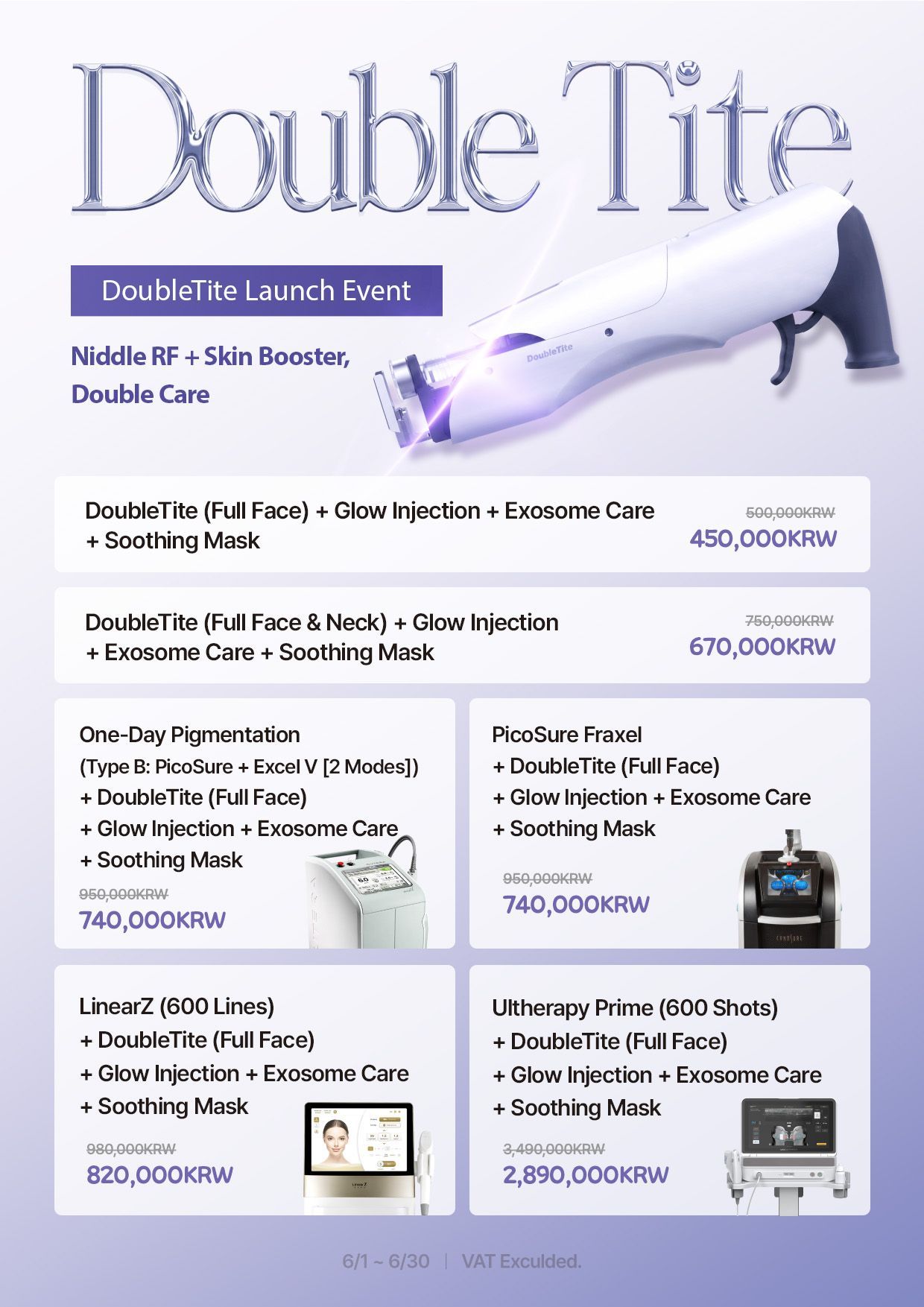
- ₩300,000 – ₩800,000 (based on number of shots)
Thermage
- ₩1,000,000 – ₩3,000,000 (full face)
Thermage is typically more expensive due to higher consumable costs and broader treatment coverage.
Which One Is Better?
There is no single answer to which treatment is better, as it depends on your specific skin concerns.
Ultherapy is better if your concern is sagging or loss of facial structure, such as a blurred jawline, drooping cheeks, or a sagging neck. It works deeper in the skin and creates a lifting effect similar to a non-surgical facelift.
Thermage is better if your concern is overall skin quality, such as loose skin, fine lines, enlarged pores, or reduced elasticity. It improves how the skin feels and looks rather than repositioning it.
In many cases, combining both treatments can deliver more balanced and comprehensive anti-aging results.
Final Thoughts
Ultherapy and Thermage are both highly effective treatments, but they serve different purposes. Choosing between them should be based on whether your priority is lifting or tightening. A proper consultation can help determine the most suitable option or whether a combination approach would yield the best results.