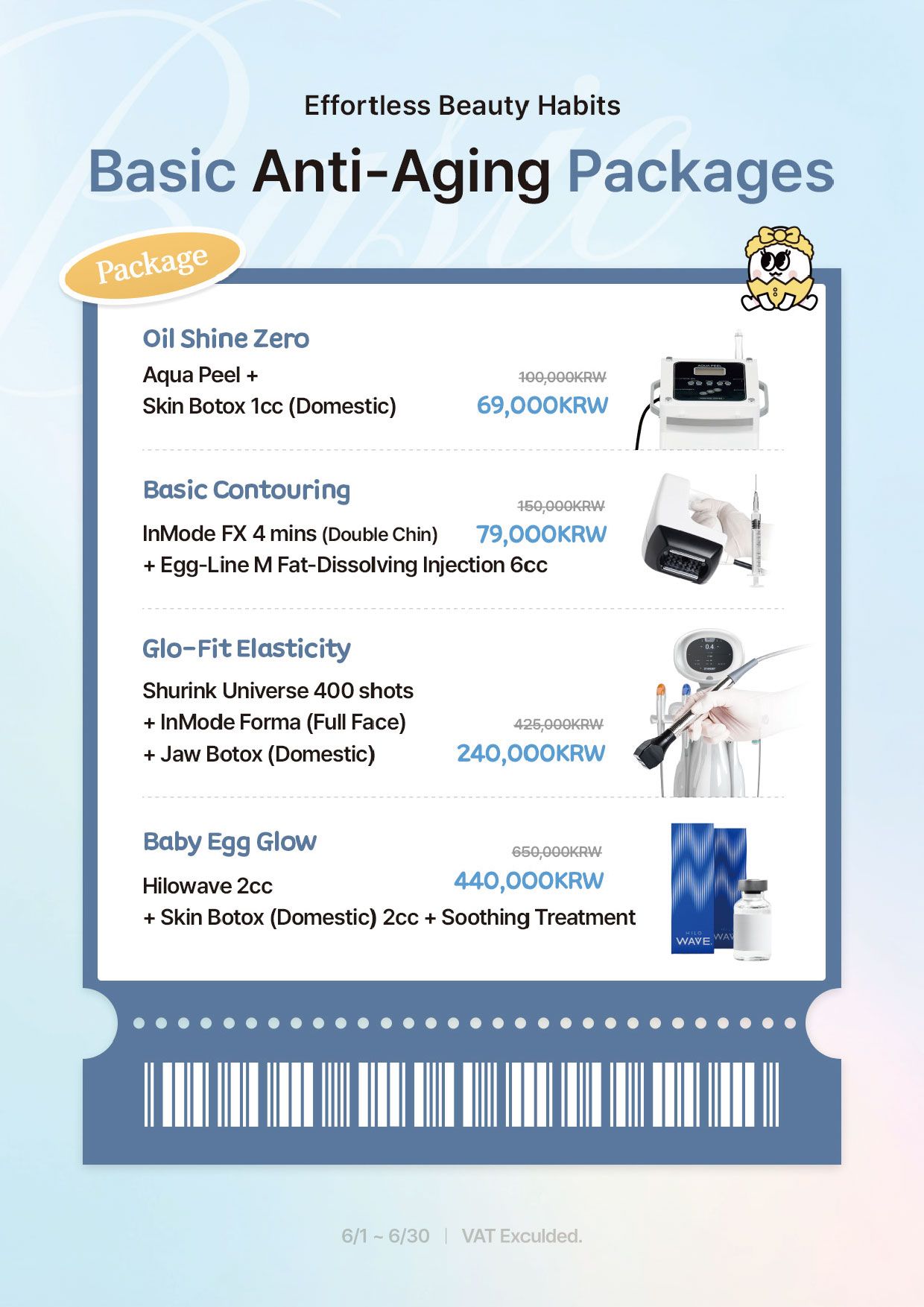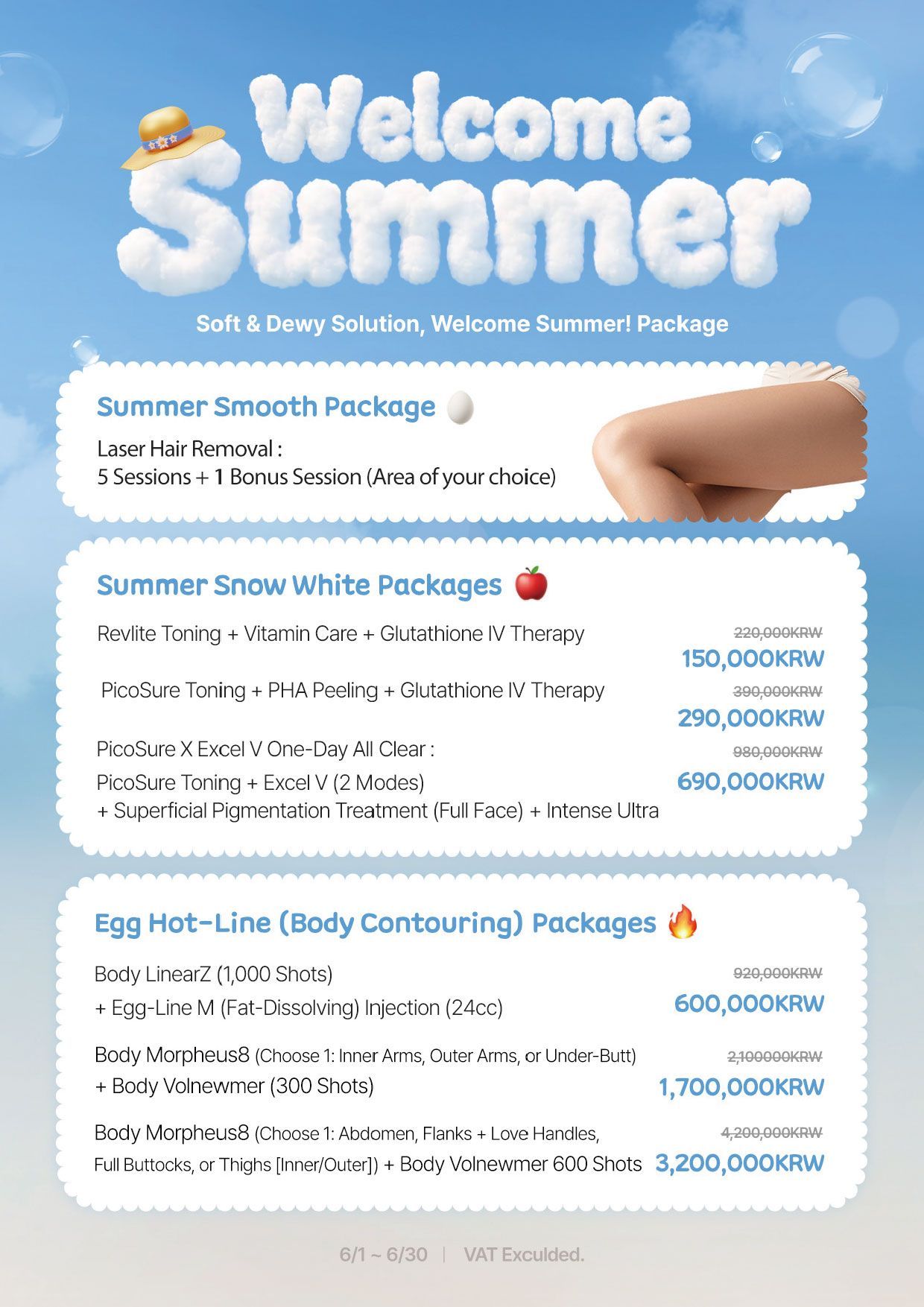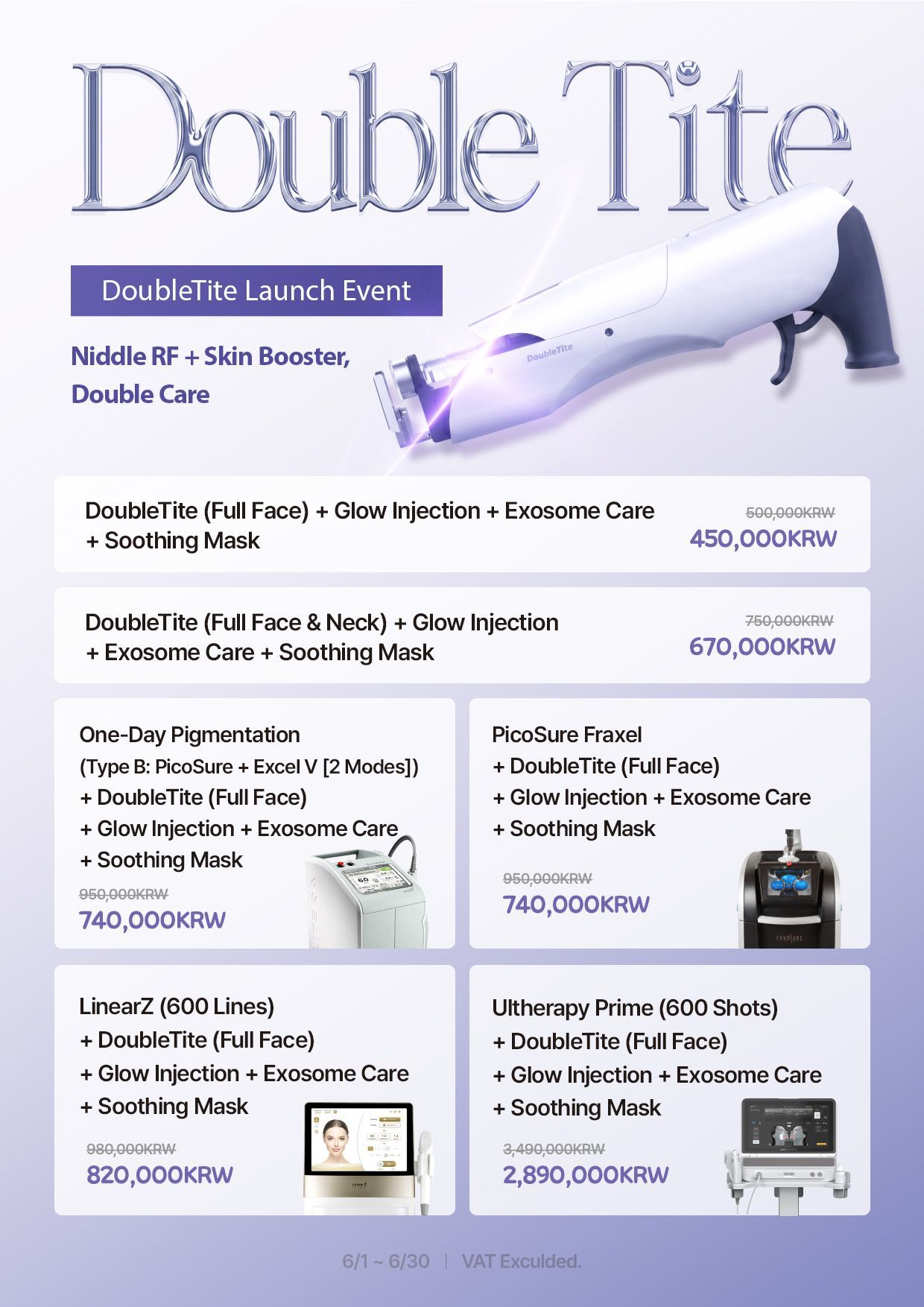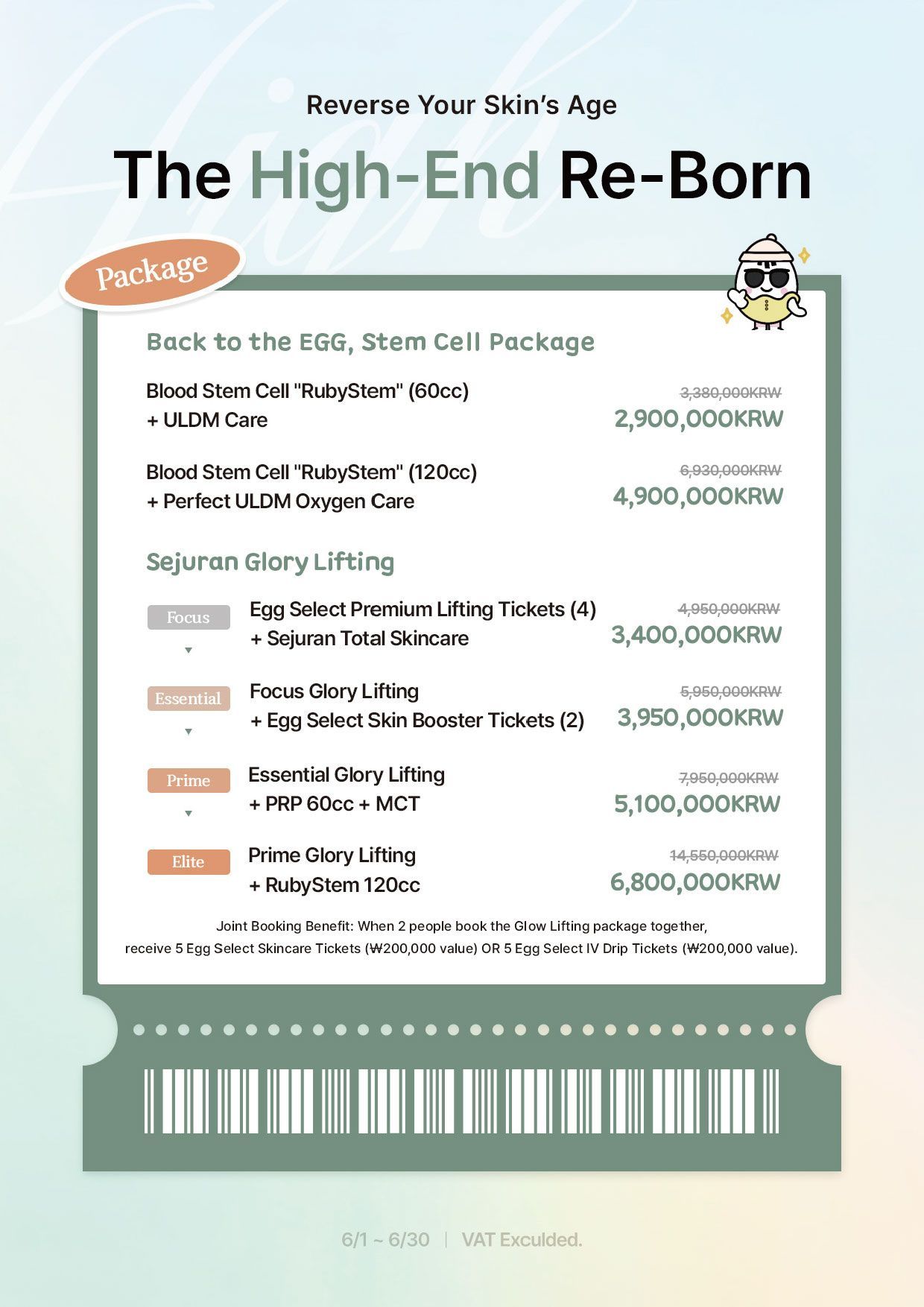
Acne Scar Treatment Cost Korea (CO2, Fraxel, Subcision)

Acne scars come in different shapes — rolling, boxcar and icepick — and each responds to different treatments. Korean clinics often combine several methods in one session, so prices depend on the plan rather than a single device.
The main treatments
| Treatment | Best for | Downtime |
|---|---|---|
| Fractional CO2 laser | Boxcar and deeper scars, texture | About 5–7 days of redness and crusting |
| Fraxel (non-ablative) | Mild scars and texture | 2–3 days of redness |
| Subcision | Rolling scars tethered under the skin | Bruising for about a week |
| TCA CROSS | Icepick scars | Small scabs for about a week |
| RF microneedling | Texture and mild-to-moderate scars | 1–3 days |
What affects the cost
- Area treated (cheeks only vs full face)
- Number of techniques combined
- Scar severity and number of sessions
- Add-ons such as skin boosters or healing treatments
How many sessions?
Most people need 3–6 sessions, 4–6 weeks apart. Deep scars improve gradually; a realistic goal is a significant reduction rather than perfect skin.
Planning around a trip
- CO2 and subcision need about a week of recovery before you look presentable.
- Fraxel and RF microneedling fit shorter trips.
- Protect treated skin from sun for several weeks.
How a scar treatment day works
- Scar mapping: the doctor identifies rolling, boxcar and icepick scars under angled light.
- Numbing: numbing cream is applied for 40–60 minutes; local anaesthetic may be used for subcision.
- Treatment: techniques are performed in order, for example subcision first, then laser.
- Recovery care: a healing cream, mask or skin booster may be applied.
Recovery timeline after CO2 laser
| Time | What to expect |
|---|---|
| Day 1–2 | Redness, swelling, a warm sunburn-like feeling |
| Day 3–6 | Fine crusts form and flake off |
| Week 2–4 | Pinkness fades; makeup can usually be worn |
| Months 1–3 | Collagen continues to build and scars soften |
Realistic expectations
Most people see a 30–60% improvement after a full course, depending on scar type and skin. Deep icepick scars are the most stubborn. Taking photos before each session helps you see gradual progress that is easy to miss in the mirror.
Aftercare essentials
- Keep skin moisturised with a barrier cream.
- Avoid sun and use sunscreen once the skin has closed.
- Do not pick crusts.
- Avoid retinoids and exfoliants until your doctor says it is safe.
Frequently asked questions
Which treatment is best?
It depends on scar type. Many people benefit most from a combination.
Can active acne be treated at the same time?
Usually active acne is controlled first, then scars are treated.
Are results permanent?
Improvements in scar depth are long-lasting, though skin continues to age.
Is acne scar treatment painful?
Numbing makes it tolerable. CO2 and subcision are the most uncomfortable steps.
Prices, products and protocols vary by clinic and change often. Always confirm details directly with the clinic and have a doctor assess your skin before treatment.