Korean Facial vs Dermatology Treatment
Korean Facial vs Dermatology Treatment
When choosing skincare treatments in Korea, one of the most common decisions is between a Korean facial (typically done in a spa or aesthetic shop) and a dermatology treatment (performed in a medical clinic). While both aim to improve skin appearance, they differ significantly in depth, purpose, and results. Understanding this difference is essential, especially for foreigners navigating Korea’s highly advanced beauty industry.
What Is a Korean Facial?
A Korean facial is a multi-step skincare treatment focused on cleansing, hydration, and relaxation. It typically includes several steps designed to improve the skin’s surface condition rather than alter its structure.
- Deep cleansing
- Gentle exfoliation
- Extraction (if needed)
- Ampoule or essence infusion
- Sheet mask or modeling mask
- Facial massage
These treatments are widely known for enhancing hydration and creating a natural glow. They are especially popular for achieving the smooth, radiant “glass skin” look associated with Korean beauty trends.
What Is a Dermatology Treatment?
Dermatology treatments in Korea are medical-grade procedures performed in clinics using advanced devices and techniques. These treatments target deeper layers of the skin and are designed to correct specific concerns rather than simply maintain skin condition.
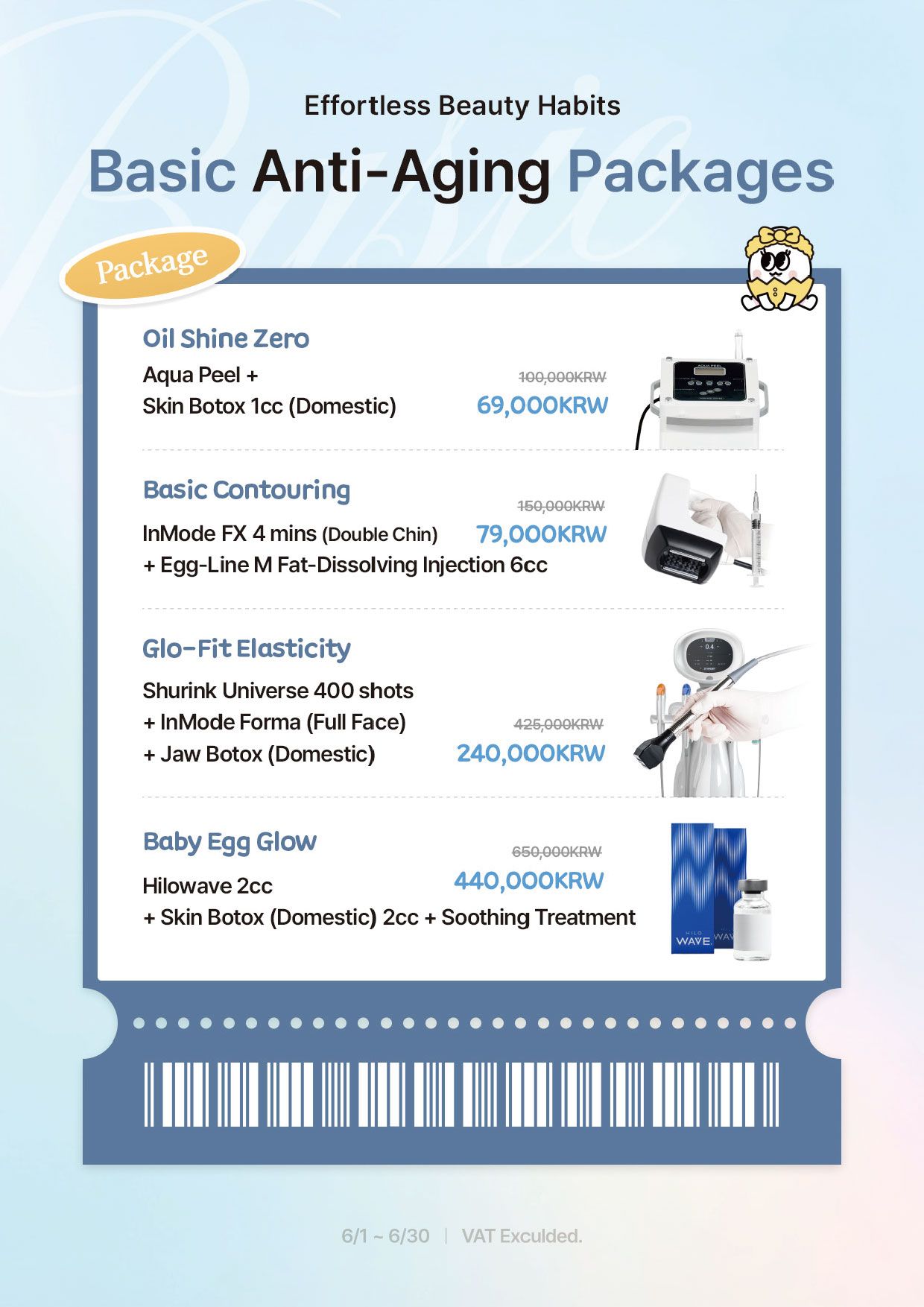
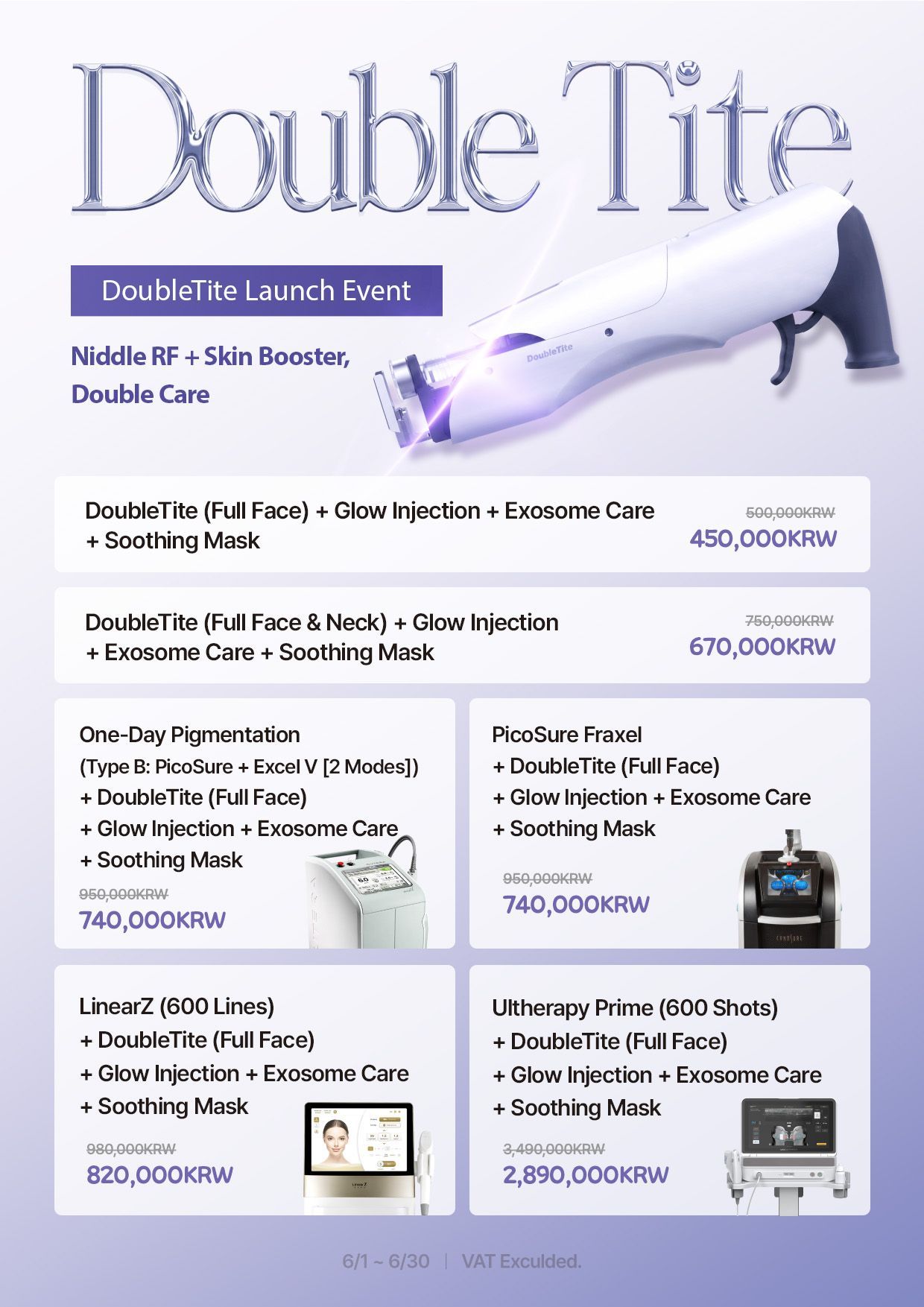
- Laser treatments (toning, resurfacing)
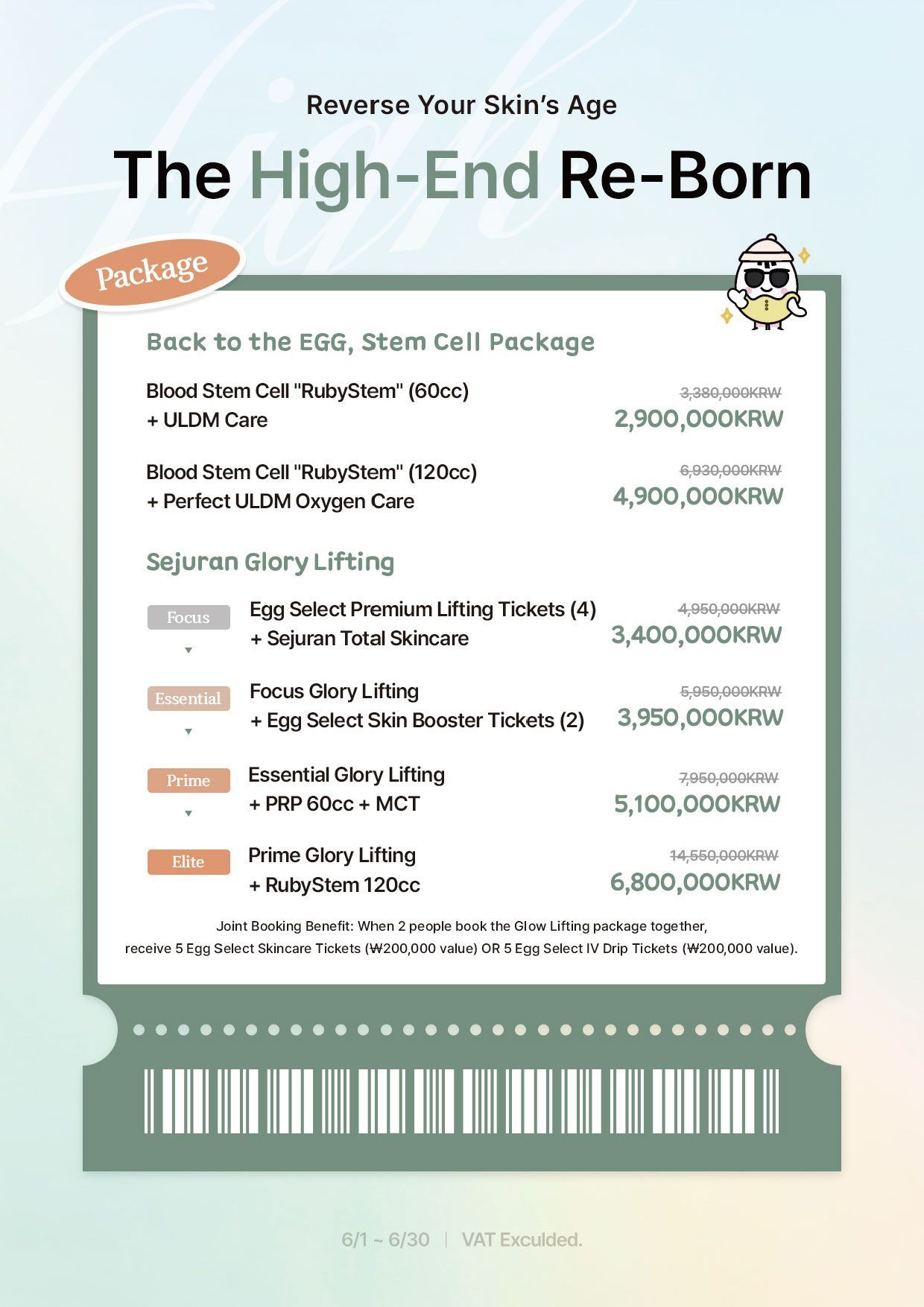
- Skin boosters (Rejuran, hyaluronic acid)
- Lifting procedures (HIFU, RF)
- Acne and pigmentation treatments
- Collagen stimulation therapies
Unlike facials, these procedures focus on structural improvement and long-term skin changes, often with more noticeable results.
Key Differences
The main difference between Korean facials and dermatology treatments lies in how deeply they affect the skin and what they are designed to achieve.
- Depth: Korean facials focus on the surface of the skin, while dermatology treatments target deeper layers
- Purpose: Korean facials are designed for maintenance, while dermatology treatments aim for correction
- Results: Korean facials provide immediate glow, while dermatology treatments deliver long-term improvement
- Downtime: Korean facials have little to no downtime, while dermatology treatments may require recovery time
- Customization: Korean facials follow a general routine, while dermatology treatments are tailored to specific skin concerns
In simple terms, facials are best for maintaining healthy skin, while dermatology treatments are more suitable for fixing underlying issues.
Price in Seoul
- Korean Facial: ₩50,000 – ₩150,000
- Dermatology Treatment: ₩100,000 – ₩600,000
Which One Is Better?
The better choice depends on your skin condition and goals. If your skin is generally healthy and you are looking for hydration, relaxation, and a temporary glow, a Korean facial is often enough. It is also a good entry point for those new to Korean skincare.
However, if you have concerns such as acne, pigmentation, enlarged pores, or signs of aging, dermatology treatments are more effective. They provide targeted solutions and longer-lasting results. In Korea, many people combine both approaches—using facials for routine maintenance and dermatology treatments for more intensive correction.
Final Thoughts
Korean facials and dermatology treatments play different but complementary roles. Facials maintain and enhance the skin’s condition, while dermatology treatments actively improve it. The best approach often involves balancing both depending on your skin needs and desired results.