Oily Skin Treatment Korea
Oily Skin Treatment Korea
Oily skin treatments in Korea target excess sebum production, enlarged pores, and shine, helping balance oil levels while improving overall skin texture. Unlike basic cleansing routines, these therapies combine professional lasers, chemical peels, and topical regimens to regulate oil production, reduce breakouts, and refine the skin’s appearance. Korea’s advanced dermatology clinics provide effective solutions for both local and foreign patients seeking healthier, shine-free skin.
What is Oily Skin Treatment?
Oily skin treatments are designed to control sebum, refine pores, and prevent acne flare-ups. Treatments are customized based on skin type, oiliness level, and underlying concerns.
Common Oily Skin Treatment Types:
- Sebum-Controlling Lasers: Reduce oil production and refine pores
- Fractional or Non-Ablative Lasers: Improve skin texture and stimulate collagen
- Chemical Peels: Exfoliate excess oil and dead skin cells
- Microneedling / RF Microneedling: Tighten pores and enhance skin resilience
- Oil-Regulating Topicals: Specialized serums or creams to maintain balanced skin
Effects of Oily Skin Treatment
- Sebum regulation: Controls excess oil production
- Pore refinement: Minimizes enlarged pores
- Acne prevention: Reduces blackheads and breakouts
- Texture improvement: Smooths uneven or rough skin
- Skin clarity: Improves overall radiance and balance
Price in Seoul
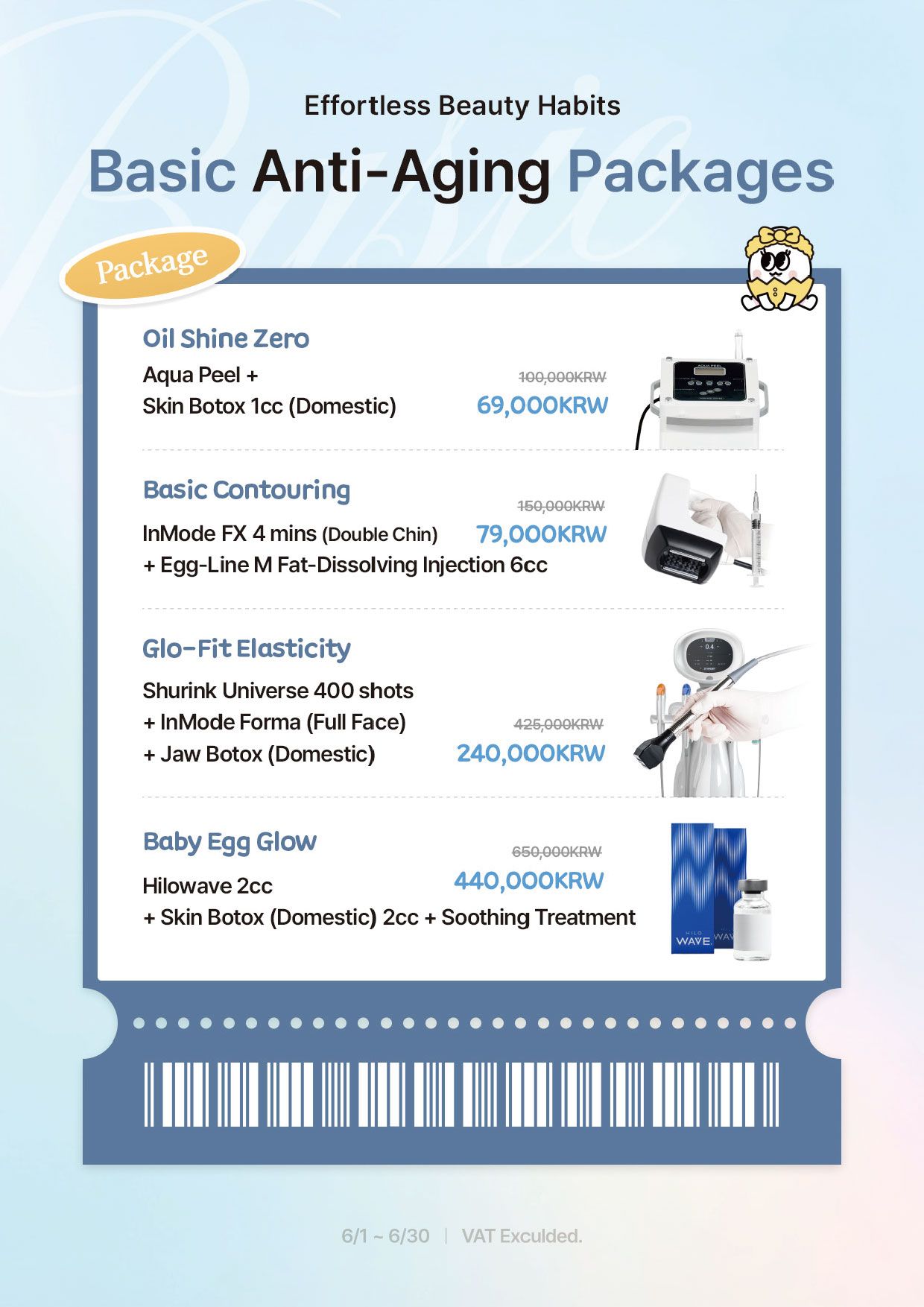
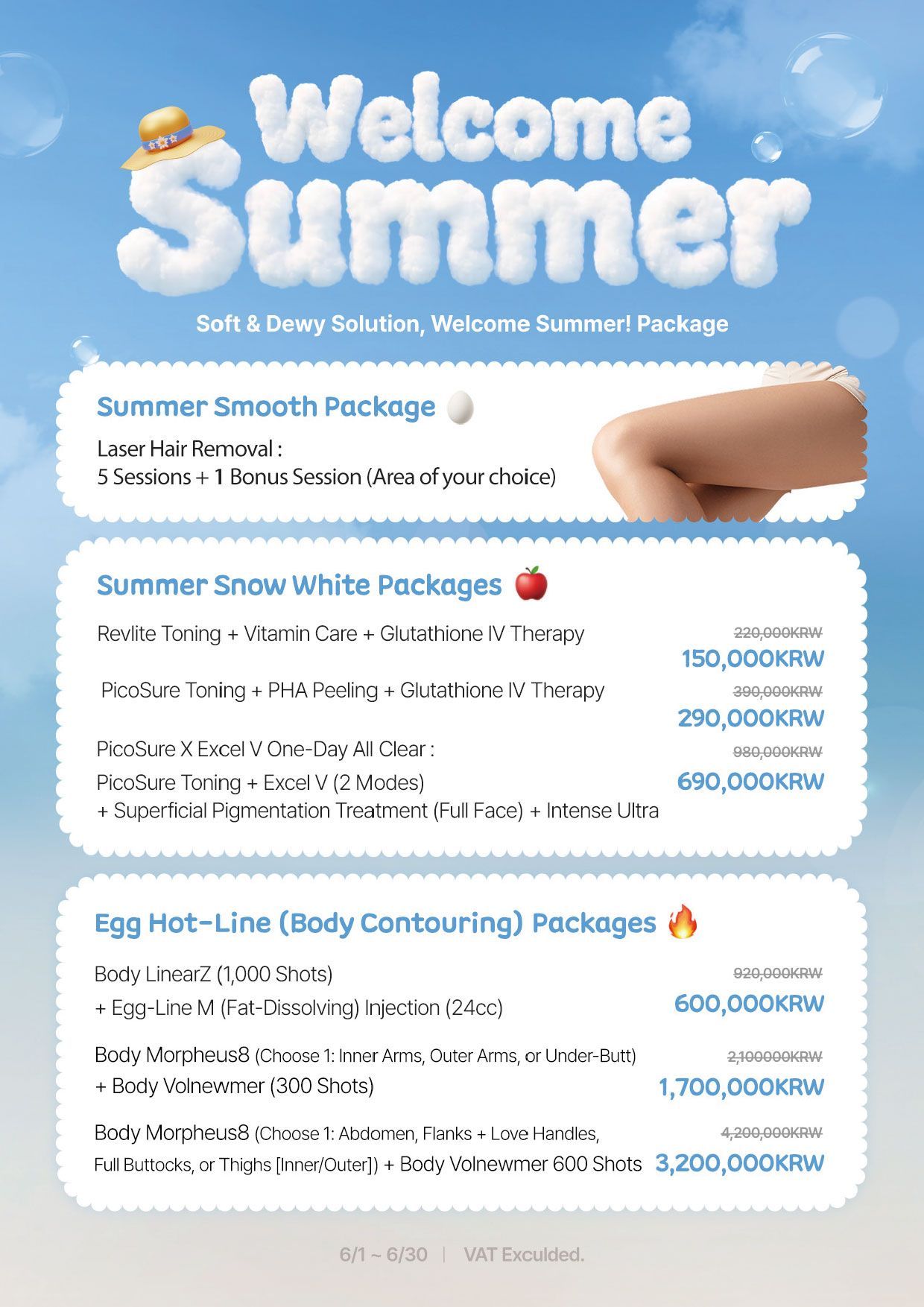
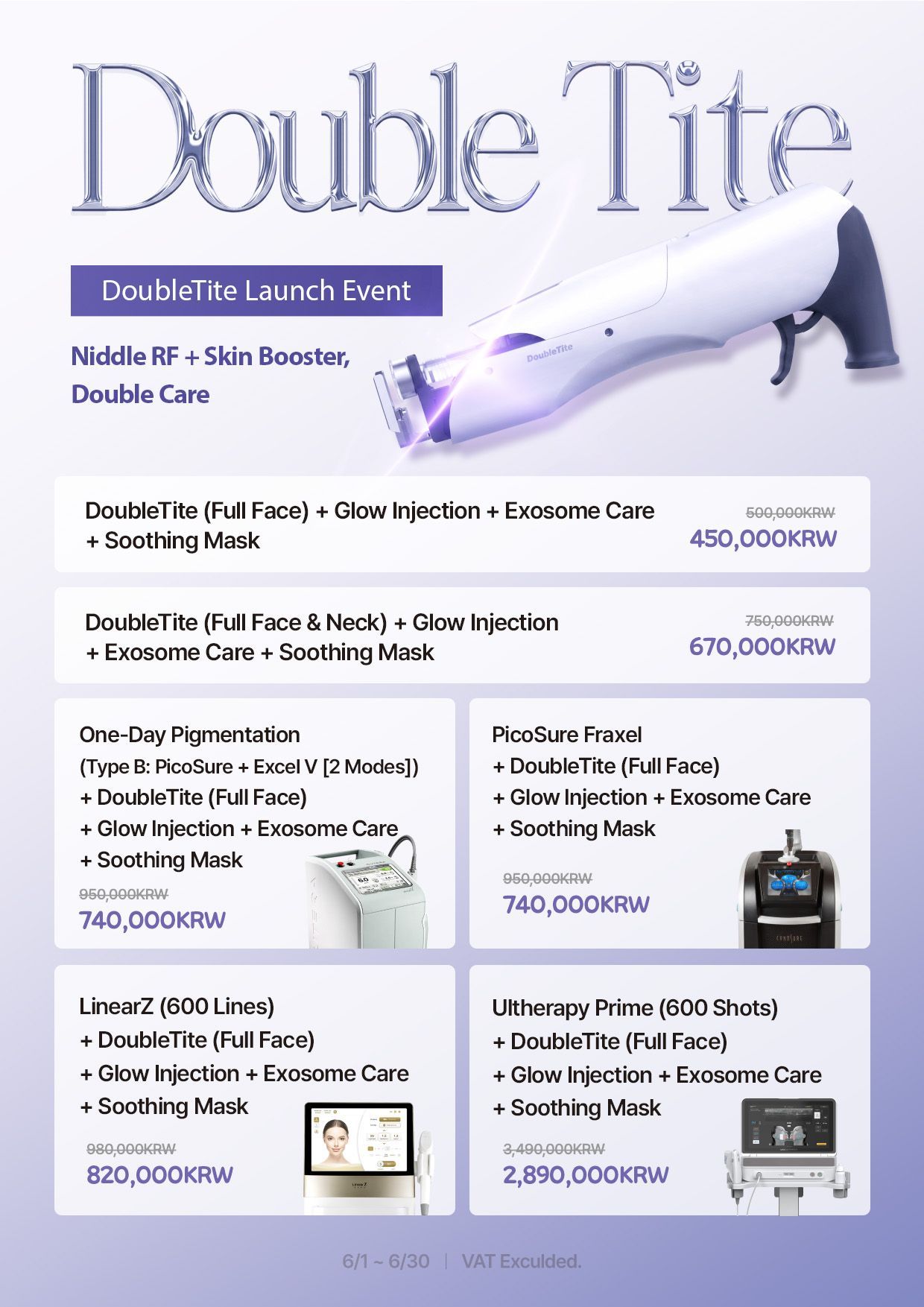
- Single session: ₩200,000 – ₩600,000
- Recommended course (3–5 sessions): ₩700,000 – ₩2,000,000
- Combination packages (laser + peels/serums): ₩1,200,000 – ₩3,000,000
Who is Oily Skin Treatment Recommended For?
- Individuals with oily or combination skin
- Patients prone to acne, blackheads, or enlarged pores
- Those seeking balanced, clearer, and smoother skin
- Foreign visitors looking for professional and effective sebum management
Oily Skin Treatment Procedure
- Consultation: Assess skin type, oiliness, and treatment goals
- Preparation: Cleanse skin and apply protective measures
- Treatment application: Laser, peel, or microneedling based on needs
- Cooling and soothing: Apply calming gel or mask
- Aftercare instructions: Guidance on skincare, sun protection, and follow-up
Duration of Results
Initial improvement in oil control and skin texture can be noticed after 2–3 weeks, with optimal results typically achieved after 4–6 weeks. Repeated sessions help maintain long-term oil balance and skin clarity.
Final Thoughts
Oily Skin Treatment Korea provides an effective solution for controlling sebum, reducing acne, and refining skin texture. With expert practitioners and structured sessions, foreign visitors can achieve clearer, smoother, and more balanced skin with lasting results.